
The First Conversation Is an Assessment, Not a Quote
Carter asks about your operation before recommending anything. What you're powering, how critical it is, what happens if it goes down. That conversation shapes everything that follows.
Carter asks about your operation before recommending anything — what you're running, how critical it is, what a failure would actually cost you. The recommendation comes after that conversation, not instead of it.
Carter builds the solution around what your situation requires. For regulated environments — hospitals, water treatment facilities, government installations — that includes working directly with your engineering team before anything is specified. The recommendation reflects your actual load, your site, your constraints.
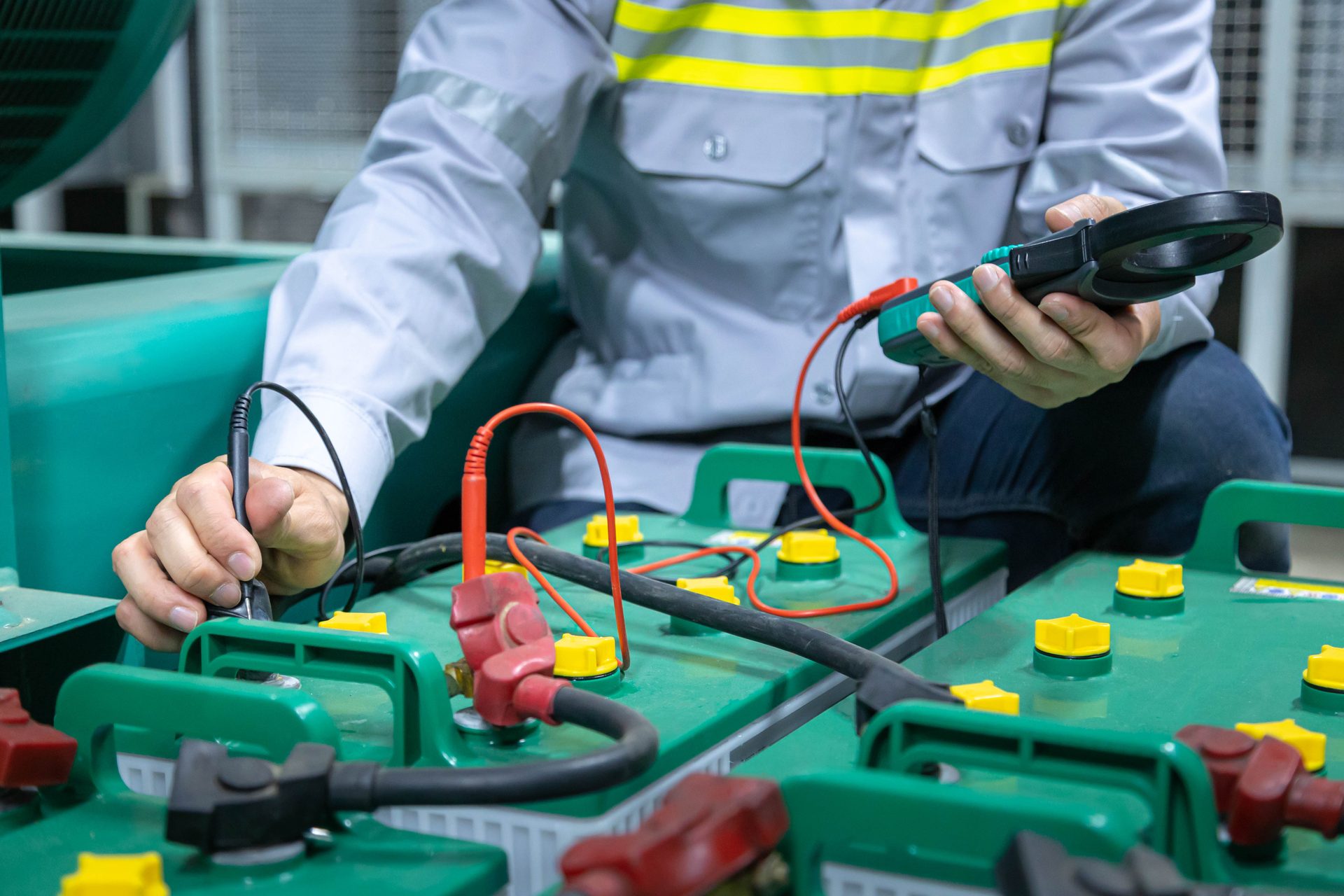
The technician who commissions your system knows it from the ground up — parameters, site conditions, how it was configured and why. That's the person who shows up when something needs attention. The equipment doesn't arrive as an unknown.
Scheduled maintenance means Carter is looking at your system before you have a reason to call. Technicians who return to the same equipment notice things a first visit wouldn't catch. And when your facility changes — controls age out, loads shift, infrastructure needs to grow — Carter already understands the full picture. The diagnostic conversation is shorter because the service relationship is longer.
Carter's service team averages years of experience in power systems. The technicians, engineers, and specialists who support Carter customers are the same people who answer the phone, show up on site, and stay on a project until it's closed.
Why CarterMost customers are surprised by the breadth of what Carter can do.
Carter manufactures control systems and electrical components in-house — not just installs them. When a power system needs something that doesn't exist off the shelf, Carter's engineering team designs and builds it.
Engineering & UpgradesCarter rents generator sets and full temporary power systems — deployed anywhere the situation requires, including emergency response. Same team, same point of contact as the rest of Carter's service operation.
Rental & Temporary PowerCarter can configure standby and prime power generators to export power to the grid during peak demand periods — generating revenue from equipment installed for protection. Carter can assess whether your installation qualifies.
Demand Response & Prime PowerA conversation about your operation — what you're running, what you need, what's not working.
Talk to a Carter specialist