


24/7 Emergency Power Support 800.835.1166
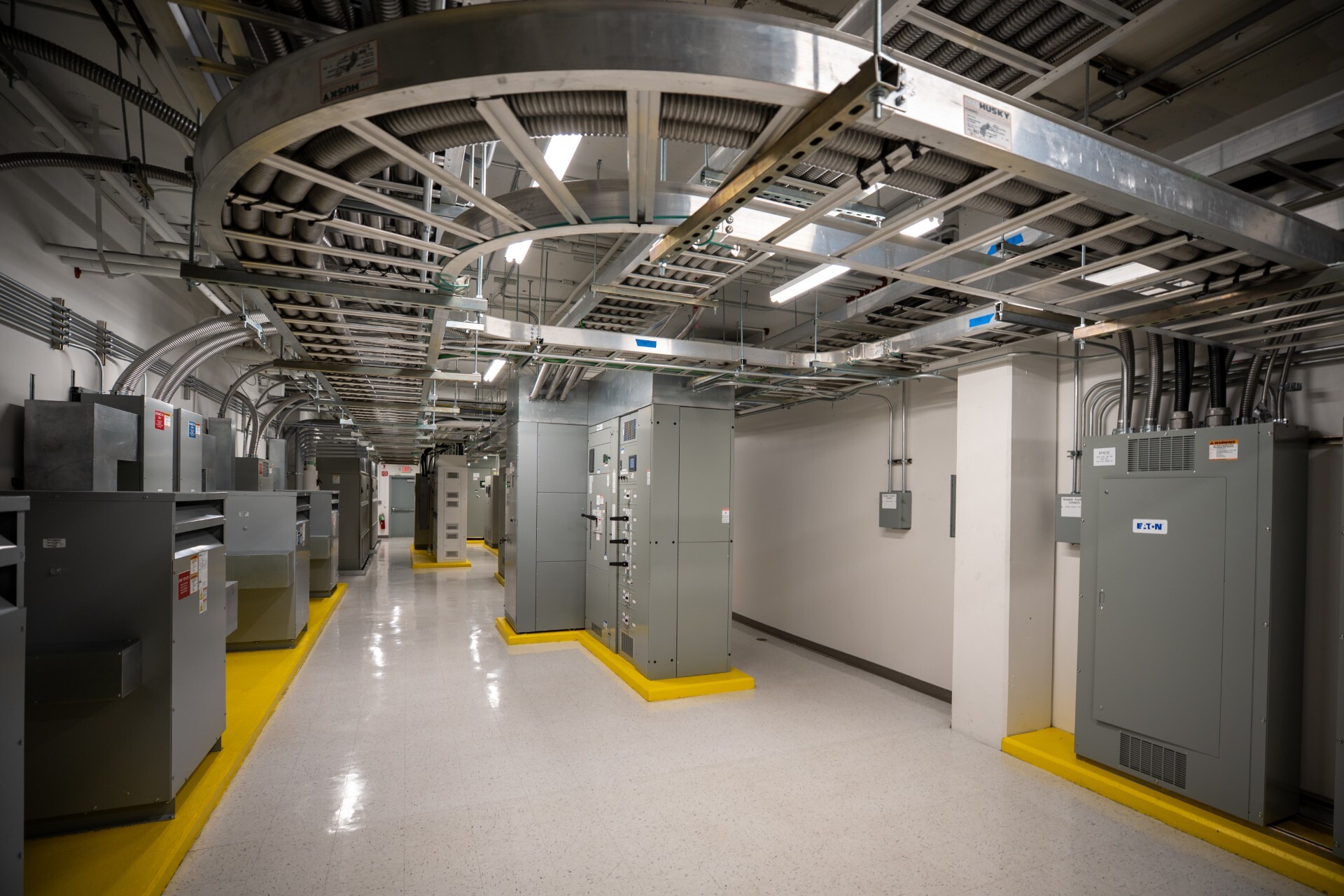
Data center interior with server racks and infrastructure

Data Center Power Systems—Built on Uptime

Even brief interruptions can disrupt financial transactions and platform availability. Carter works with developers, engineers, and construction teams to design power systems that support uptime, scalability, and long-term operational confidence.

Data Centers Operate at a Different Pace

The data center market moves faster than most infrastructure sectors. Hyperscale campuses and regional colocation facilities are often designed, built, and expanded simultaneously.

Projects require coordination between developers, engineering firms, contractors, and equipment suppliers—often while future phases of the campus are already being planned.

Because outages can disrupt global digital services, data centers are typically designed for uptime approaching 99.999% availability.

What This Means for Infrastructure

Planning ahead of the Build Schedule

Data center power systems are rarely defined by equipment alone. Early design decisions—generator sizing, redundancy strategy, fuel infrastructure, and system layout—shape how the facility operates for decades.

Carter teams work closely with developers, engineers, and contractors during these early stages, helping evaluate:

  • Generator sizing and system architecture
  • Redundancy strategies such as N+1 or 2N
  • Fuel storage and infrastructure planning
  • Manufacturing lead times and delivery schedules—critical when expansion is planned in phases
Carter engineer reviewing data center power system drawings with client team

Managing a Campus That's Always under Construction

Hyperscale data center campuses aren't built all at once. They are planned in phases, constructed in parallel, and expanded continuously.

A typical Carter engagement often involves managing three timelines at the same time: delivering equipment for a project already underway, supporting startup and commissioning on another, and coordinating manufacturing schedules for a third that may not deliver for two more years—while a new project is already entering the ordering process.

That continuity has a practical payoff: when the next phase begins, Carter already knows the campus, the contractors, and the schedule.

Aerial view of hyperscale data center campus under construction with multiple phases visible

System Design & Planning

Designed to Eliminate Single Points of Failure

Data center power systems follow a layered architecture designed to eliminate single points of failure. Utility power enters the facility and feeds UPS systems that provide bridge energy during the seconds it takes generators to come online.

  • Utility feed → UPS systems → standby generators form the core power chain
  • Automatic transfer switches (ATS) manage transitions between utility and generator power
  • Paralleling switchgear coordinates multiple generators as a unified system
  • Each layer operates independently, so no single failure brings down IT load

Sized beyond What the Load Requires

Data centers deploy generators in configurations that exceed the minimum capacity needed to carry load. The choice between architectures sets the operational ceiling for the facility—both for reliability and for how the system can be maintained without taking IT load offline.

  • N configuration — exactly enough generators to carry the load; no spare capacity
  • N+1 configuration — one additional generator beyond what is needed; a single layer of redundancy
  • 2N configuration — fully duplicated generator plant; twice the capacity needed

Large hyperscale facilities may deploy 10 to 40+ generators. Paralleling switchgear manages these units, distributing load and enabling maintenance on individual generators without affecting the system.

Permitting Can Drive Your Timeline

Standby generator systems must comply with electrical, environmental, and safety standards that influence system design and equipment layout.

Common requirements include:

  • NEC / NFPA 70 — National Electrical Code
  • NFPA 110 — Emergency and Standby Power Systems
  • NFPA 37 — Engine installation standards
  • Uptime Institute Tier guidelines — system reliability classifications
  • Air permitting requirements for diesel generators
  • Local noise and acoustic regulations

Environmental permitting and local approvals can significantly affect project timelines and should be addressed early in planning.

Maintaining Readiness between Outages

Even highly engineered standby power systems depend on disciplined maintenance and testing to ensure readiness.

Typical lifecycle activities include:

  • Routine generator service and inspection
  • Battery and starting system monitoring
  • Annual load bank testing
  • Emissions testing and reporting
  • Rapid response to operational issues once facilities enter service

In mission-critical environments, operators evaluate not only generator performance but also the service network supporting the equipment.

Data Center Projects in Action

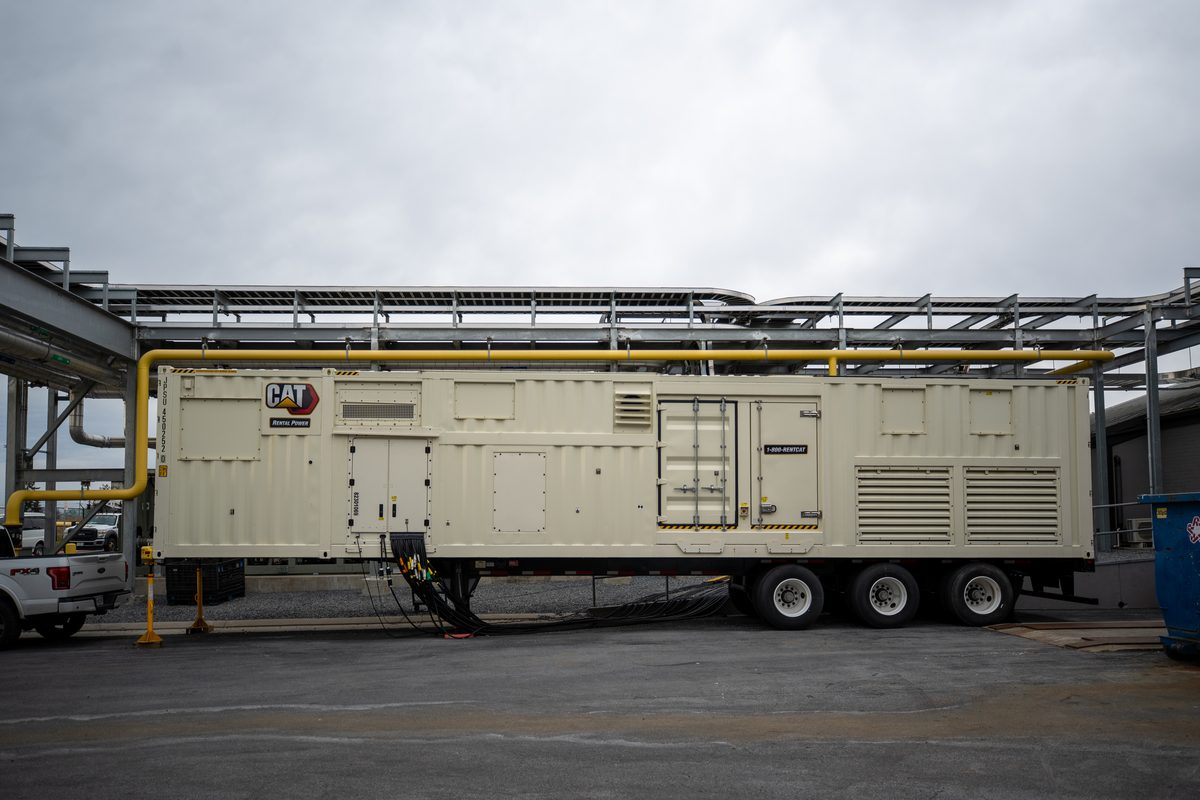
CAT generator with custom enclosure at data center site
CASE STUDY

Custom Generator Enclosure Solution

A data center operator needed custom generator enclosures to address site-specific exhaust backpressure constraints. Carter's engineering team worked directly with the enclosure manufacturer to redesign airflow paths and exhaust routing, ensuring the generators met performance specifications within the physical limits of the site.

Read the case study
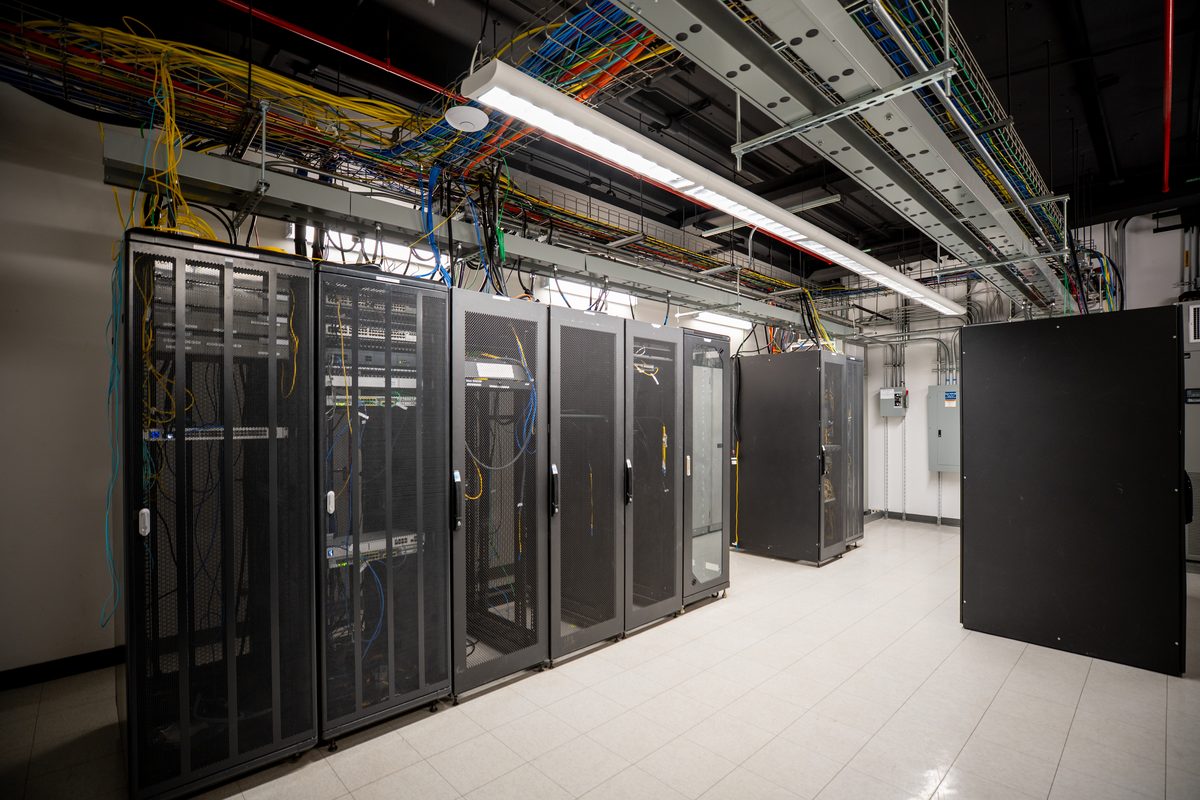
Hyperscale data center campus served by Carter generator deployment
CASE STUDY

Hyperscale Campus Deployment

Carter supported a multi-phase hyperscale campus, deploying generators across multiple buildings on a two-year construction timeline. Each phase required coordination with the general contractor, electrical engineer, and facility operations team to integrate new generators into expanding campus power infrastructure.

Read the case study

Built for Complex, Multi-Phase Projects

Data center customers often choose Carter because of how complex projects are executed. Collaboration with developers, engineers, and contractors begins early—during design, before key decisions are finalized—and continues through procurement, delivery, and commissioning.

Carter brings direct experience supporting large-scale generator deployments, along with visibility into manufacturing schedules and equipment lead times that helps customers plan complex, multi-phase construction timelines with greater confidence.

In a market driven by delivery commitments, customers rely on Carter not simply as an equipment supplier, but as a partner coordinating the engineering, logistics, and long-term service support required to keep mission-critical infrastructure on schedule and operating reliably.

What Carter Provides

  • Collaboration with developers, engineers, and contractors early in project design
  • Experience supporting large-scale generator deployments
  • Visibility into manufacturing schedules and equipment lead times
  • Coordination across complex, multi-phase projects
  • Long-term service support from engineering and technician teams

Plan Your Next Project with Carter

Planning standby power infrastructure for a data center requires coordination across engineering teams, contractors, and equipment suppliers. Carter specialists can help evaluate system architecture, redundancy strategies, and long-term infrastructure planning.