
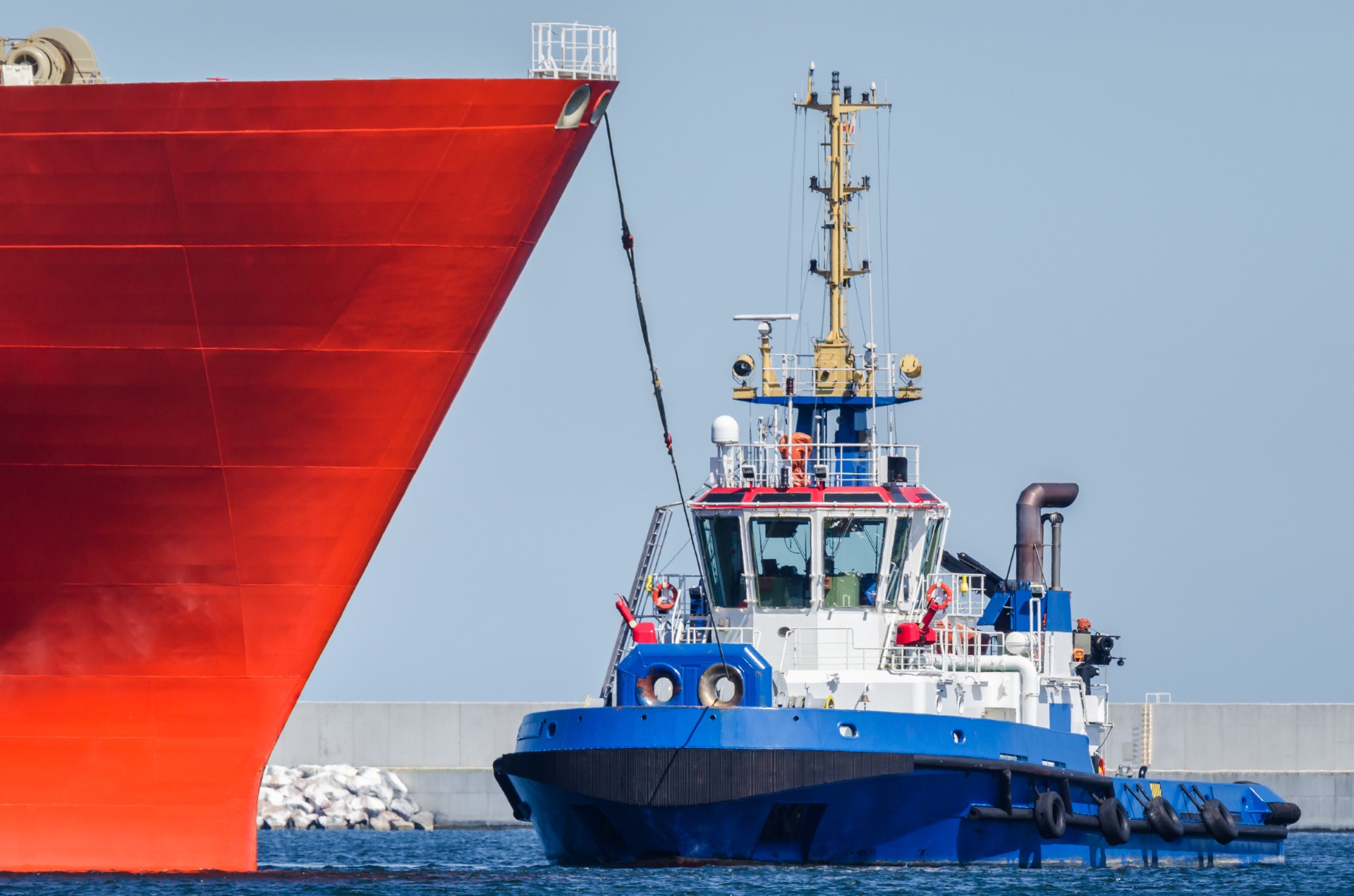
Reliable Power for Working VesselsCommercial vessels operate on tight schedules and contractual obligations. When propulsion or onboard power systems fail, operations stop immediately — and downtime can quickly become expensive.
Carter supports marine operators with Cat® propulsion engines, generator sets, and service capabilities designed to keep vessels operating safely and reliably. Whether supporting commercial fleets, government vessels, or recreational craft operating along the Mid-Atlantic, Carter’s marine team provides the expertise and rapid response required when marine power systems need attention.
For most commercial marine operators, vessels are working assets operating on daily contracts. If a vessel cannot operate, the financial impact is immediate.
Many marine contracts operate on daily rates that can range from tens of thousands of dollars per day to significantly higher depending on the vessel and project. When a vessel is unable to operate, operators may lose contract revenue and in some cases incur penalties for being off-station.
“Boats don’t make money at the dock.” — Carter Marine Specialist
Because of these operational realities, marine power systems must be reliable, compliant, and supported by service teams capable of responding quickly when problems occur.
Commercial marine operators typically maintain their vessels carefully and plan maintenance windows around operating schedules. But failures can still occur, and when they do, response time matters.
Daily contract rates mean downtime is measured in dollars, not inconvenience. Operators working offshore oil and gas or other contracted work can lose tens of thousands of dollars per idle day.
Classification bodies and the Coast Guard require vessels to maintain sufficient power availability for safe operation. A failure that compromises required redundancy can restrict the vessel from operating until repairs are complete.
When a vessel cannot wait for a service appointment, the ability to mobilize quickly—anywhere along the East Coast—determines whether an operator recovers days or loses them.
Carter supports marine customers across the Mid-Atlantic region with CAT propulsion engines, marine generator sets, and specialized service capabilities.
The Carter marine team works with commercial vessel operators, shipyards performing vessel maintenance or upgrades, fleet operators managing large marine assets, and vessel owners planning repower or modernization projects.
While some work occurs through shipyards acting as prime contractors, the majority of Carter’s marine relationships are direct relationships with vessel operators.
Many customers first connect with Carter through referrals within the marine community. The marine industry is tightly networked, and word of mouth plays a significant role in how operators choose service partners. For operators entering the region or working with Carter for the first time, the goal is simple: confirm that the local CAT dealer has the expertise and support capabilities needed to keep their vessels operating.
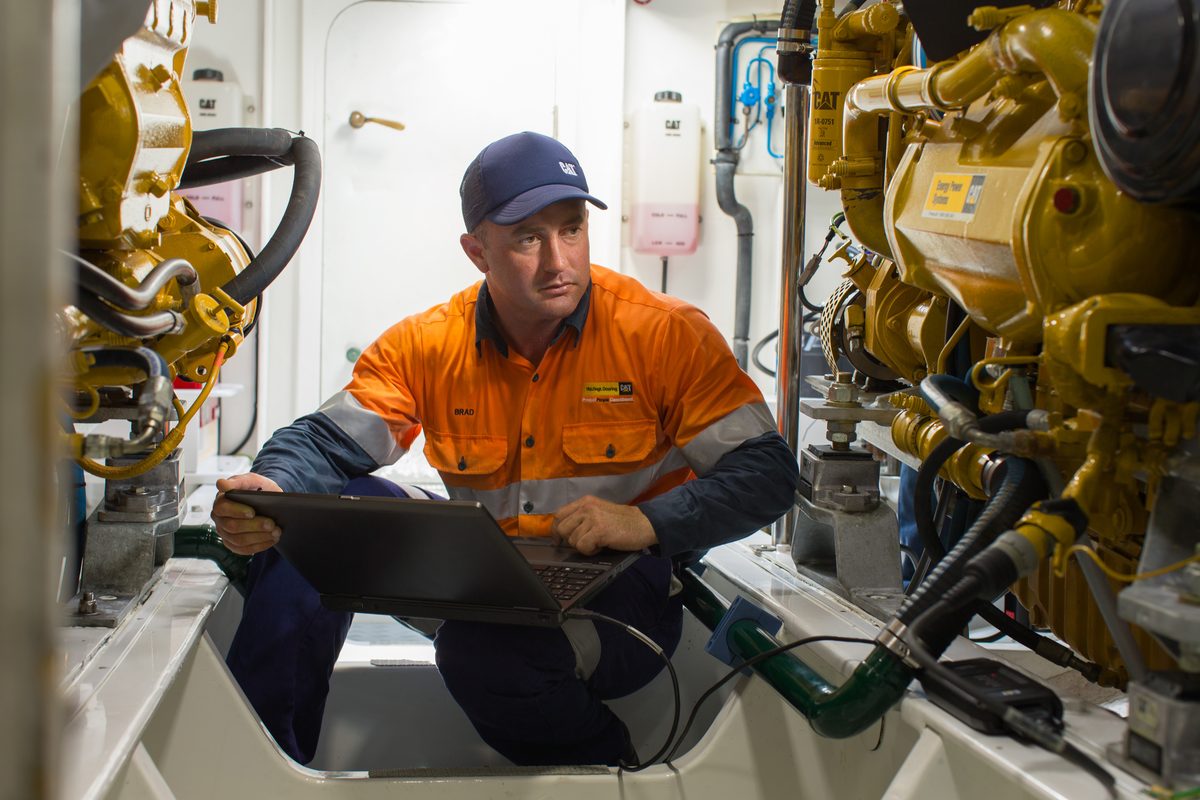
Most marine service providers quote a completion date. Carter quotes a date and then works to beat it.
For operators under contract, the value of faster service extends well beyond getting back to work sooner. Many offshore contracts include a fixed maintenance allowance—a set number of days the operator can use for scheduled work over the life of the contract. Every overhaul completed faster than planned preserves days in that allowance for future use. Combined with reduced dry dock fees and recovered day-rate revenue, a service window shortened by ten days can represent hundreds of thousands of dollars in recovered value.
Carter’s marine team has the technician depth to put multiple personnel on a single project, compress timelines, and deliver major overhauls significantly faster than industry norms. This is not a scheduling advantage—it is the result of experienced technicians, strong management, and the ability to scale resources to the job.
An offshore operator was completing 3516 overhauls in 21 days. Carter’s team committed to 12 and finished in 11—ten days faster than the operator’s baseline. That operator is now Carter’s largest marine customer.
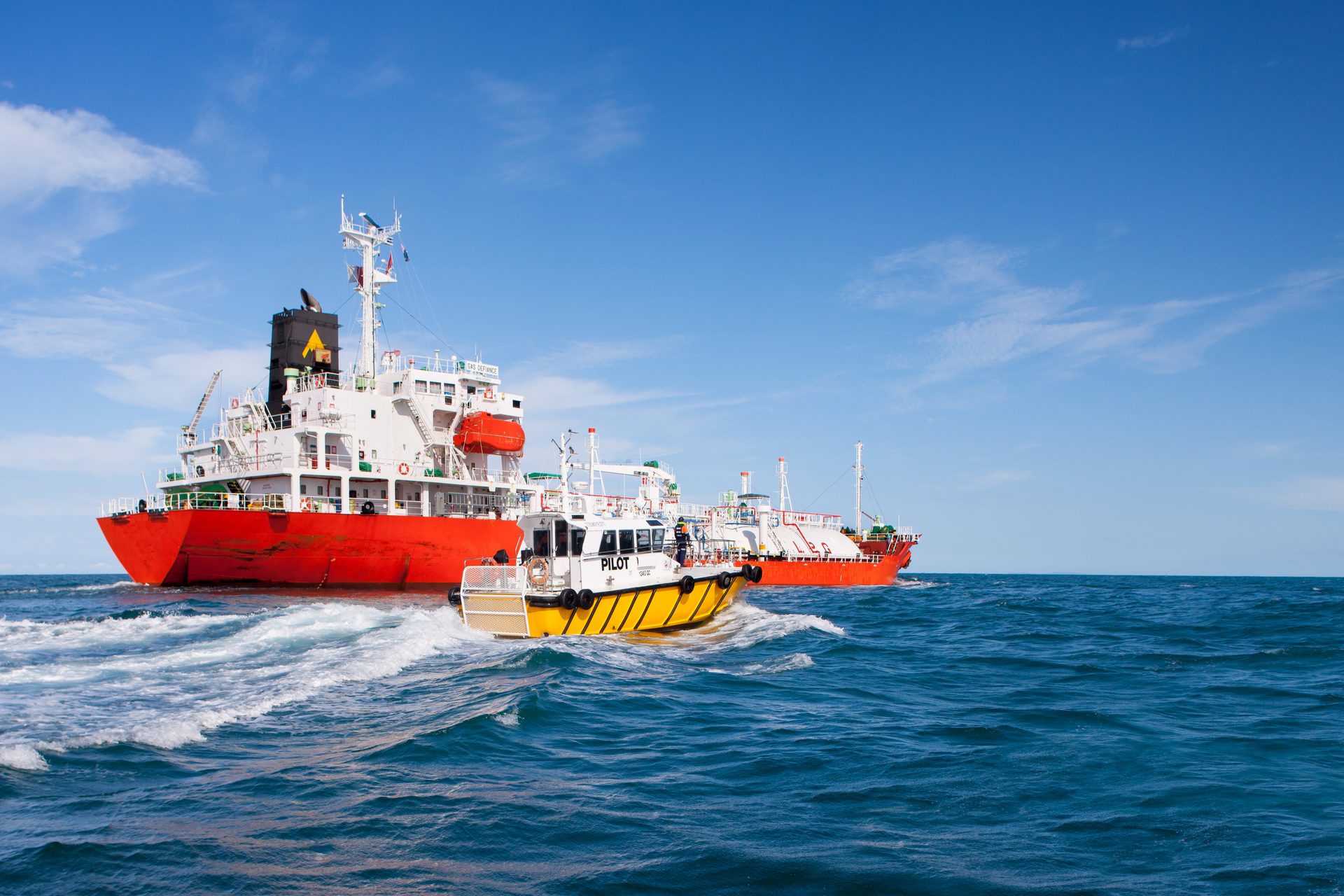
Most commercial vessels rely on a combination of propulsion engines and onboard generator sets to maintain operations. Propulsion systems provide motive power, while generators supply electrical power for navigation, communication, lighting, HVAC, hydraulics, and other vessel systems.
Carter provides CAT propulsion engines and marine generator sets across a range of power outputs, supporting everything from inland workboats to offshore supply vessels.
Repower projects replace older propulsion engines with newer models, improving performance, reducing emissions, and extending vessel life without the cost of new construction. Scope typically includes new propulsion engines, marine transmissions, and upgraded electronic control systems — along with emissions upgrades, mechanical-to-electronic conversions, and updated fuel and monitoring systems where applicable.
A common repower scenario involves replacing aging 3508 engines with C32 models — a configuration that improves performance and emissions while preserving the vessel’s operational profile so crews do not need to relearn systems.
Commercial vessels operate under strict regulatory oversight. Many vessels are subject to inspection and certification requirements from organizations including the American Bureau of Shipping (ABS), the U.S. Coast Guard, and in some cases Lloyd’s Register.
These requirements may include annual safety and shutdown inspections, verification of propulsion and generator systems, documentation of maintenance and component changes, and periodic regulatory dry dock inspections.
When Carter performs major service work, technicians must update the vessel’s technical file, documenting components installed and verifying compliance with applicable standards. Carter operates as an ABS-compliant service provider, which means the documentation required for classification compliance is handled as part of the service process rather than as a separate administrative burden.
If a vessel experiences a failure that affects required redundancy, operators may be restricted from operating until repairs are completed. In these situations, rapid response from experienced technicians is critical.
Repowers present the most complex compliance challenges. Installing new engines requires coordination with ABS and the Coast Guard to certify updated components and verify that the vessel’s classification remains current.
Marine operators typically plan maintenance around operating hours and contract schedules. Common service activities include valve adjustments, engine inspections, safety and shutdown testing, scheduled overhaul work, and component replacement during regulatory dry dock periods.
Many vessels employ experienced onboard engineers who handle routine maintenance tasks. Carter’s marine technicians often support specialized service tasks that require advanced expertise or additional personnel.
Major engine overhaul intervals are typically planned months in advance so operators can coordinate maintenance with vessel availability and contract schedules. These windows determine how service providers must respond — quickly and with the right technician depth.
Operators frequently ask for guidance on maintenance intervals and overhaul costs. These are among the most common questions Carter’s marine team receives from customers evaluating a new service relationship.
 Major Overhaul
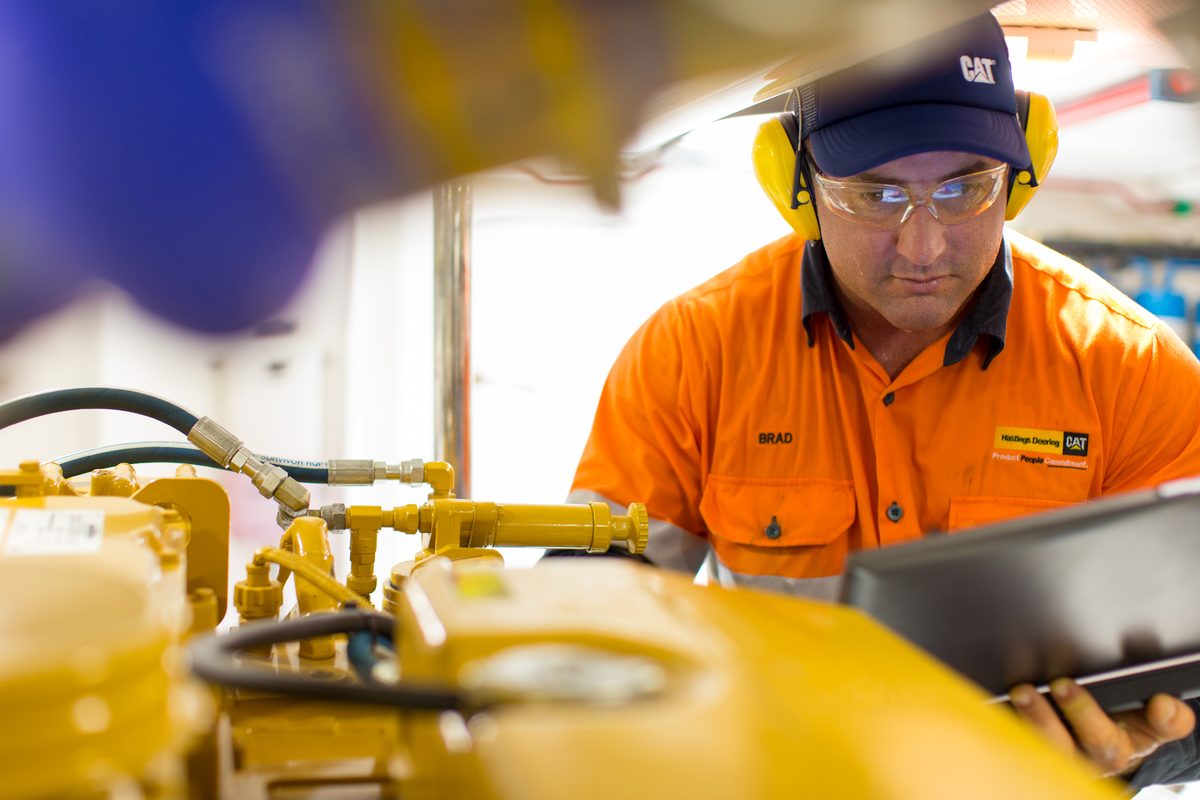
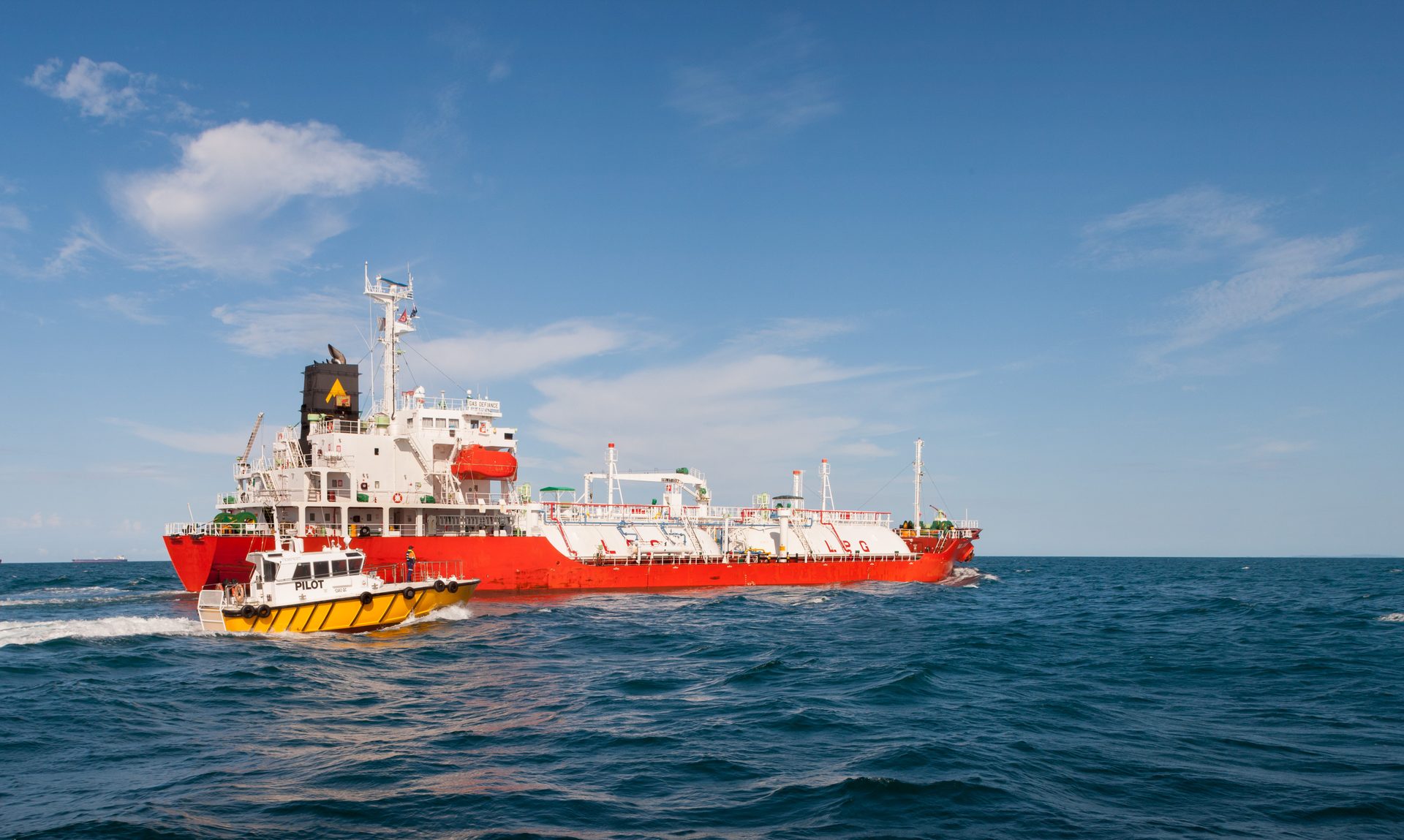
An offshore supply vessel operator needed a 3516 engine overhaul completed during a scheduled dry dock window. Carter’s marine team deployed multiple technicians, completed the overhaul in 11 days—beating the operator’s 21-day baseline by 10 full days—and returned the vessel to service ahead of its next contract.
 Repower
Carter supports marine operators planning repower projects that replace older propulsion engines with newer models meeting current performance and emissions requirements. These projects are coordinated with ABS and the Coast Guard to maintain vessel classification and minimize time out of service.
The marine industry is not large. The same operators, engineers, and service teams encounter each other at trade shows, in shipyards, and across contracts year after year. Reputation travels quickly in both directions.
Carter’s marine team has remained stable for years—technicians and specialists with long tenure who know the customers, know the engines, and are reachable by phone when something goes wrong. For operators who measure downtime in dollars, that continuity is a service attribute, not a courtesy.
Many of Carter’s largest marine relationships began as a phone call: an operator who heard Carter’s name from another operator, reached out to confirm Carter could support them, and received a response that moved quickly. The relationship followed.
Whether you operate commercial vessels, government fleets, or recreational craft, Carter’s marine specialists can help evaluate your propulsion and power system needs.